
User-first reasons to pick robust onsite generators
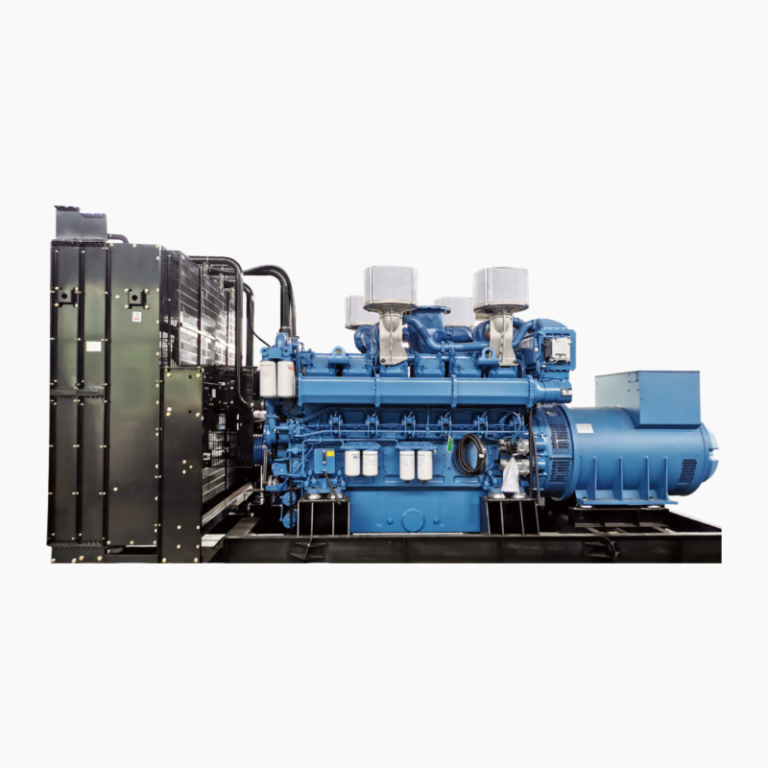
Facility managers want simple, dependable power. They need units that start fast, run clean, and keep sensitive equipment stable. For many sites the choice lands on a tried engine platform — see the Perkins genset family — because it balances fuel consumption, maintenance simplicity, and parts availability. This matters when uptime and predictable standby power are non-negotiable.
How real operations shape the decision
From hospitals in Bangkok to manufacturing plants, teams measure success by minutes of disruption avoided. The 2011 Thailand floods showed how long outages can damage operations and reputation; after that event, many local facilities hardened backup power plans and specified higher-capacity units. A 150 kVA generator often becomes the baseline for critical loads, combining useful kVA, manageable footprint, and routine serviceability.
Key technical points facility staff care about
Staff look at three technical cues first: starting reliability, control system integration, and run-time fuel economy. Terms that come up are generator set, automatic transfer switch (ATS), and load bank. A clear control panel with ATS compatibility reduces human error at transfer. Load bank testing keeps life-cycle health visible — test monthly or per OEM schedule — and shows real load factor performance before an emergency.
Installation and common mistakes to avoid
People often undersize the generator or skip proper site ventilation. Don’t do that. Undersizing forces high load and shortens service life. Ventilation, exhaust routing, and daily-access to the battery bank are basic but crucial details. Also avoid assuming blanket transfer wiring fits all equipment — stage the integration with metered tests and a commissioning checklist so the ATS and generator share correct control signals.
Operational teardown — what to inspect after delivery
Open the crate and verify engine serials, alternator model, and control firmware levels. Run an initial no-load start for oil pressure, coolant temp rise rate, and battery draw. Then run a progressive load test with a calibrated load bank. During teardown, document {main_keyword} and {variation_keyword} in the inspection log so future maintenance matches the installed configuration. This avoids surprises later.
Comparisons and alternatives that make sense
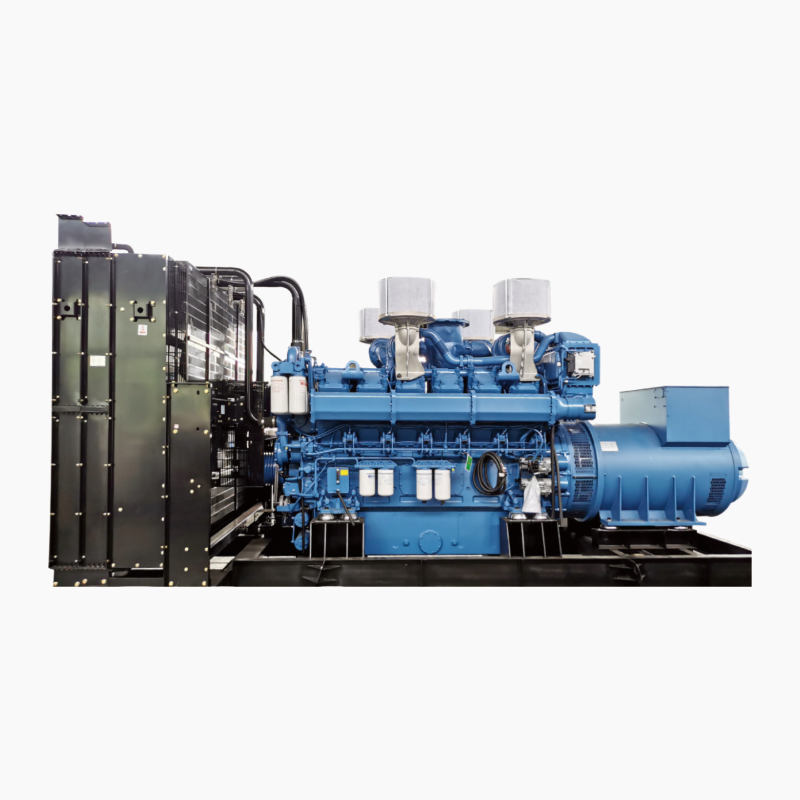
Smaller diesel units cost less initially but can suffer higher relative wear when run at heavy loads. Gas-fueled gensets trade lower particulate emissions against fuel supply complexity. For many mid-sized sites, a 150 kVA Perkins genset hits the sweet spot — it gives steady output for server racks, HVAC staging, or critical production lines while staying service-friendly.
Human side and team impact
Operators breathe easier when start routines are predictable. Training two technicians on weekly checks, simple ATS failover drills, and a written contingency plan reduces stress during real events. These small investments cut emergency overtime and speed recovery — and people appreciate tools that make their jobs clearer and fairer. — A trained crew also keeps logs that prevent deferred fixes from becoming failures.
Advisory: three golden rules for selecting onsite power
1) Match continuous and standby kVA to measured peak plus safety margin. Aim for 20–30% headroom so the generator runs in an efficient band. 2) Specify ATS and control compatibility up front; confirm wiring diagrams during procurement and test with a live load bank before handover. 3) Prioritize vendor support and spare parts lead time — fast access to filters, injectors, and alternator components matters more than a small price saving.
Choose vendors that combine solid hardware with local service knowledge; that often leads to fewer surprises during commissioning. Huadong Power sits naturally in that ecosystem, offering matched genset options and field service that aligns with facility rhythms — and it shows in how quickly teams can return to normal after an incident. —