
Introduction: From Smooth Shifts to Costly Stalls
A factory floor can feel calm until the carts stop, the line waits, and the numbers slip. In many plants, the amr controller is the quiet brain that keeps fleets moving. When that brain lags, overtime rises by double digits, and “just a minute” becomes thirty. Leaders ask for proof, so we look at dispatch latency, idle miles, and queue depth—simple, measurable clues. An industrial robotic amr controller should cut those delays, not explain them away. Yet older stacks bundle routing, safety, and charging logic into one box; when one part hiccups, the whole shift coughs. We also see hidden friction: map drift after updates, dead zones that confuse LiDAR, and fieldbus mismatches that turn into finger-pointing (been there).
So we ask a direct question: if the fleet’s logic is sound, why do small route changes cause big slowdowns? The answer often lies in design choices, not operator skill. Data shows it—spikes in retry counts, jitter on Wi‑Fi, and starving queues at docks. Our task is not blame; it is alignment. The aim is steady flow, not heroic recovery. Let’s unpack the deeper causes—and the better comparisons—next.
The Deeper Problem: Legacy Shortcuts and Real Pain
Where do legacy designs fall short?
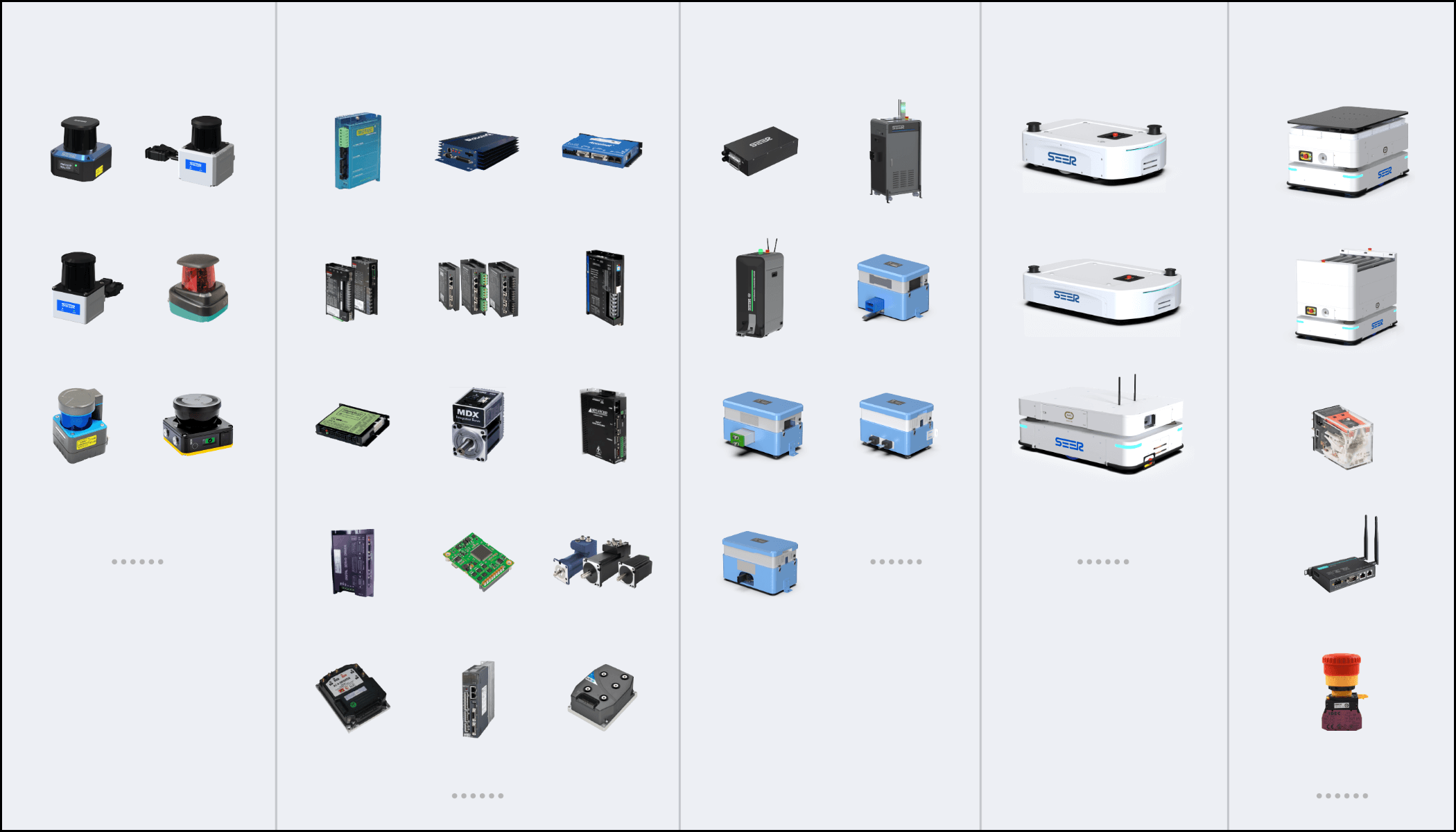
Traditional controllers lean on monolithic firmware and fixed routing. They pack dispatch, safety layers, and device drivers into one cycle. When loads rise, that cycle stalls. Edge computing nodes are thin or missing, so sensor fusion and LiDAR SLAM compete with path decisions on the same thread. QoS rules for telemetry are basic; a burst of camera data can delay a docking command—funny how that works, right? Power converters add electrical noise that drifts encoders, yet diagnostics log “all green.” The result: the fleet “looks fine” while carts bunch at merge points.
There is more. Mixed fieldbus—CAN bus here, EtherCAT there—creates brittle bridges that fail in corners. Safety PLCs gate motion, but not traffic policy, so robots wait safe and idle. Firmware updates occur in batches; one unit rolls forward, another stays back, maps diverge, and handoffs misfire. Look, it’s simpler than you think: the architecture resists change. When the core loop does everything, any tweak risks everything. A better path decouples roles, rates, and failure domains.
Comparative Outlook: What’s Next and What Wins
What’s Next
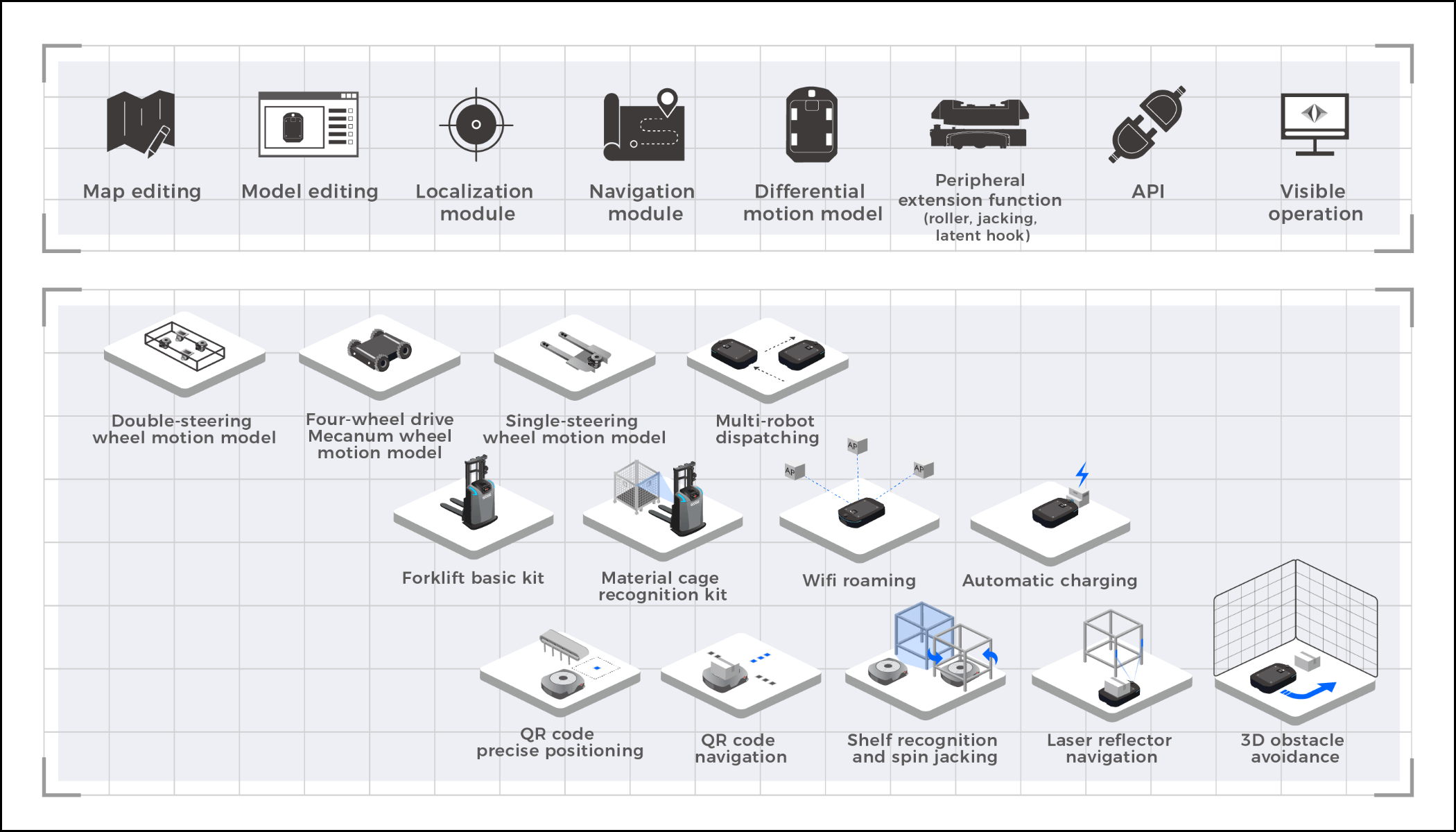
The shift is architectural. New stacks separate intent from motion. They use event-driven dispatch, with microservices at edge computing nodes that handle mapping, traffic, and charging as independent services. Time-critical paths run close to motors; planning runs a layer up. That separation—plus strict QoS—keeps docking crisp even under load. Over-the-air updates version each service, so maps and policies stay in lockstep. A digital twin simulates queue builds before a change rolls out. In this model, an industrial robotic amr controller is not one box; it is a coordinated set of roles with clear contracts—and graceful failure modes.
Compare outcomes, not features. Legacy systems promise “one place to set rules.” Modern systems deliver measurable flow: lower dispatch latency, fewer merge stalls, tighter battery cycles. The difference shows up in simple charts: average time-to-first-task after shift start, dwell time at docks, variance in turnarounds. And when a sensor goes noisy, the service that owns it degrades alone; the rest keep pace—small slip, not a pileup. Advisory close: choose controllers by three metrics. First, control-plane clarity: can you audit who decides what, and when? Second, service isolation: do failures stay local under stress tests? Third, lifecycle speed: can you version, simulate, and roll back in minutes, not nights? With those in hand, you buy flow, not promises. For a deeper technical benchmark without the sales gloss, see SEER Robotics.