
Why Do We Still Struggle with Autosteer for Tractors?
I once watched a farmer struggle through a long, hot day in his field, cursing under his breath while trying to adjust his tractor’s GPS. Did you know that about 30% of farmers report issues with their autosteer systems? It makes you wonder—if tractors are supposed to be smart, why do we still bog down in tech hiccups? The answer lies, of course, in the fact that many people still aren’t fully aware of the intricacies of autosteer for tractors and what goes into making them function seamlessly. The reality is that beneath the shiny exterior of these systems lies a tangled web of outdated tech and user frustrations that we barely acknowledge.

That Time I Nearly Gave Up on Autosteer
Are We Missing the Mark?
Take a moment to consider how these systems are marketed versus the reality we face. As we transition into a world where tech seems to solve everything, our expectations soar high, making every failure sting. Yet autosteer for tractors isn’t just a gadget—it’s a lifeline. But if it’s riddled with issues like GPS drift or poor calibration, what good is it? That leads to a salient question: When will we adapt our products to truly meet farmers’ needs, rather than simply throwing tech solutions at us?
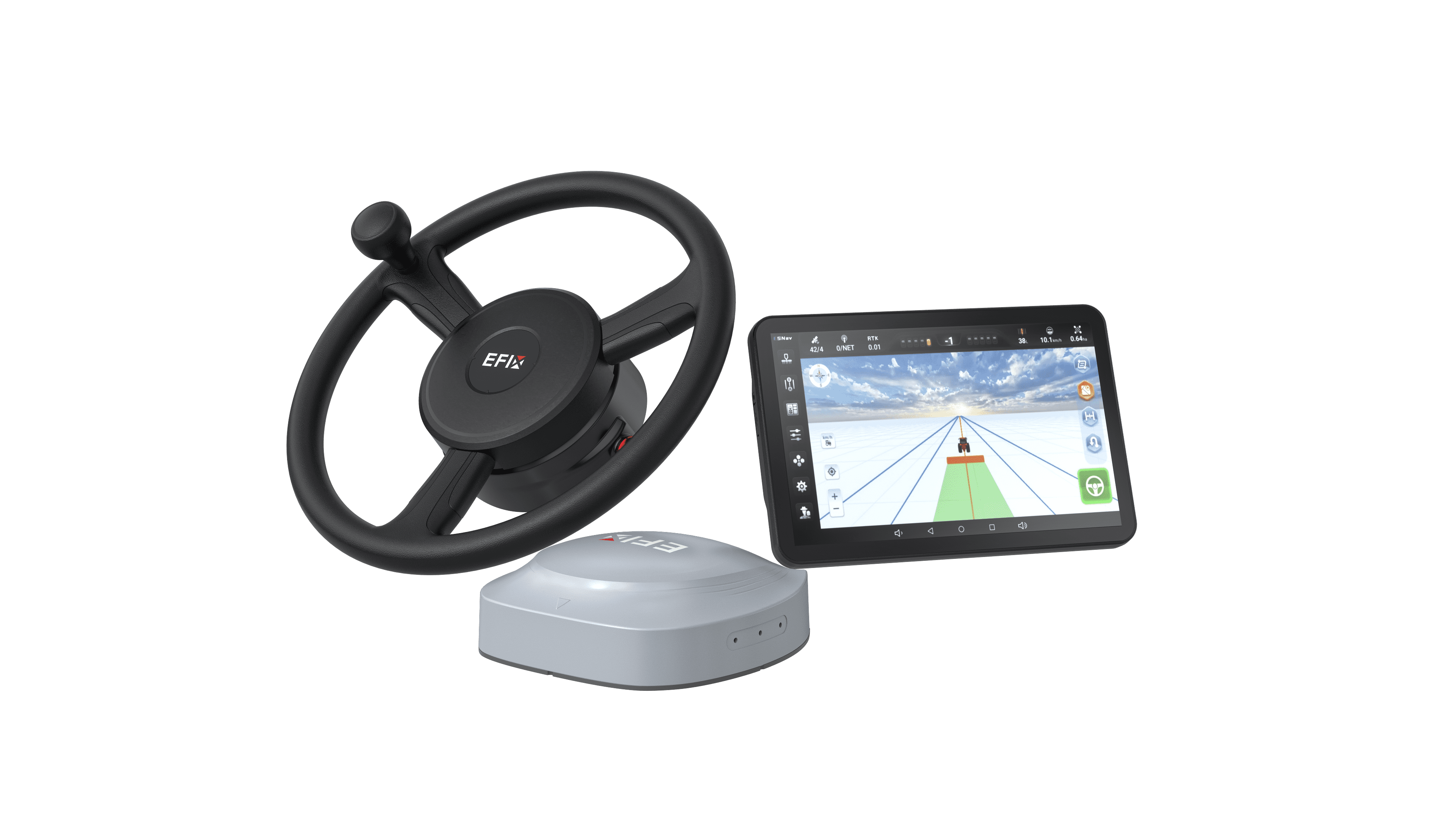
Looking Forward: What Lies Ahead?
While we stand on the cusp of what seems to be a technological revolution in agriculture, there’s a duality at play. On one hand, the advancement of tools like autosteer could make tasks more efficient, even exhilarating—if they grow up a little. Consider how much more effective farmers could be if only their gear operated flawlessly. These tools aren’t merely for show; they represent a shift in how we work the land. I genuinely believe that if we focus on integrating user feedback and ground-level realities into future designs, we can create systems that finally live up to the farmer’s expectations.
What can be done?
The potential impacts of improved autosteer systems are immense. Farmers could see enhanced crop yields, reduced waste, and vital savings on both time and resources. Imagine a world where these systems adapt in real-time, learning from the environment. It sounds promising, right? Picture walking into a field where your equipment knows exactly what to do—no guesswork, no drama. And if we choose to enhance autosteer for tractors based on firsthand experiences and issues faced, we might just find that the tech could become the ally we’ve been looking for.
Final Thoughts: Our Path to Progress
Looking back, I’ve noticed that farming technology struggles when it doesn’t genuinely address the core concerns of its users. It boils down to this: we need to keep our fingers on the pulse of what we’re truly experiencing. Are we integrating farmer feedback into the designs? Are we empowering our users or trapping them in a web of complexity? As we embrace the evolution of farming tech, solutions must aim for simplicity and reliability, prioritizing the needs of those who toil in the fields. To tackle these pain points, ensure you actively evaluate your options based on real-world performance and user experiences. I’m convinced that working hands-on with brands like EFIX will help steer this industry toward better solutions—both for us and the fields we nurture.