
Innovating Organic Waste Less Disruption: Exploring the Benefits of an Organic Fertilizer Fermentation Tank
Picture this—it’s a sunny morning in the Philippines, and you’re at your farm. The fields are flourishing, but there’s one nagging issue: managing organic waste efficiently. Did you know that maximizing the benefits of your organic fertilizer fermentation tank can drastically improve how you handle waste? With careful fermentation processes, you can transform what was once a problem into a long-term solution.
Recognizing Common Pitfalls
Many people underestimate the challenges of using a fermentation tank for organic waste. One common flaw in traditional methods is that they often require massive space and maintenance. Farm owners, in a rush to start, might overlook these details and end up with a subpar setup that doesn’t deliver. I’ve seen farmers deal with frustrating breakdowns simply because they didn’t account for the initial investment in a quality tank.
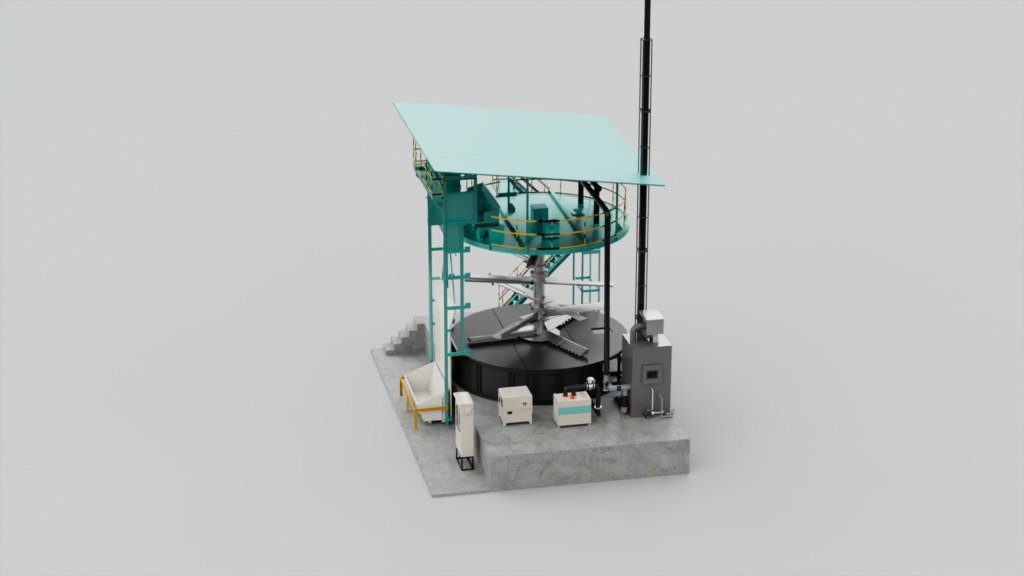
Moreover, the fermentation process can be unpredictable if comprehensive monitoring is not in place. The right fermentation conditions—like temperature control, moisture levels, and aeration—are crucial. I’ve often noticed that farms that embrace a high temperature aerobic organic fertilizer fermentation tank not only produce better fertilizer but also significantly cut down on odor, making the farming environment much more pleasant.
What Lies Ahead for Organic Fertilizer Production?
Now, moving forward, the landscape of organic fertilizer production is also evolving. I firmly believe that investing in advanced fermentation technology should be the next step for farmers looking to leverage their organic waste populations. With innovations in high-temperature aerobic fermentation techniques, farmers can convert waste into nutrient-rich fertilizers within days instead of weeks. Isn’t that a game-changer?
As we adapt, it’s crucial to remember the importance of continuous learning. Engaging with suppliers like Cason can open doors to smarter choices, from selecting the correct tank size to exploring different additives that can optimize the fermentation process. This leads us to a significant question: how do we measure the success of these investments?
What Are the Key Metrics for Evaluation?
Success in using an organic fertilizer fermentation tank can be gauged through a few essential metrics. First, monitor the reduction in waste volume—this is a straightforward way to assess performance. Second, evaluate the quality of the end product. Higher nitrogen and phosphorus levels in your fertilizer mean better yields. Finally, track cost-efficiency over time. Have your labor or disposal costs diminished since implementing the new system? With these metrics in mind, evaluating your strategy becomes clearer.
To sum it up, the switch to a streamlined organic waste management system is not merely about getting rid of waste; it’s about enhancing your farming practices and boosting productivity. Seeing the tangible benefits this technology brings to a farm can be truly rewarding. If you’re not already considering options like those provided by Cason, you might be missing out on a fantastic opportunity to refine your operations.