
Introduction: The Need for Reliability in Outdoor Networks
Imagine a smart city where the lights dim at dusk, and irrigation systems activate precisely when needed. This scenario is becoming a reality, with data showing that outdoor LoRaWAN gateways play a crucial role in supporting such innovations. These devices bridge remote sensors and central servers efficiently, even in challenging environments. But have you ever wondered why some deployments face connectivity issues? (Spoiler alert: it may not be the technology itself.) Understanding the limitations of traditional solutions could lead to better performance and reliability in your IoT ecosystem. As we delve into the world of outdoor LoRaWAN gateways, let’s untangle the complexities that lie beneath the surface.
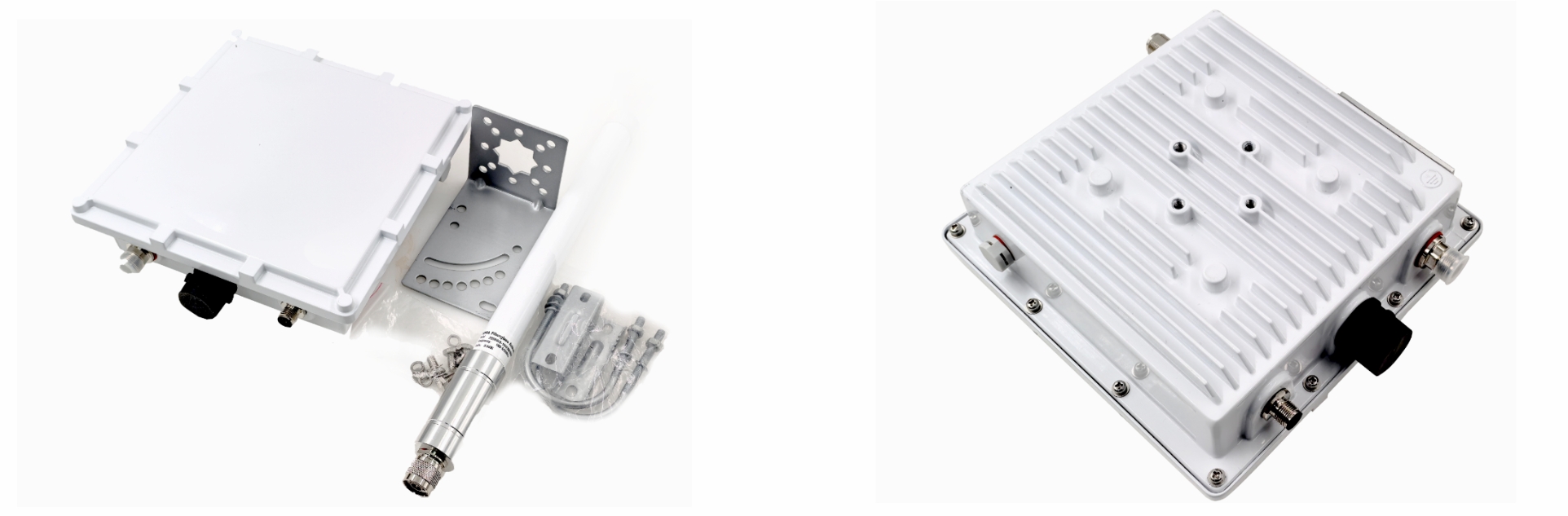
The Hidden Pitfalls of Traditional Solutions
While traditional LoRaWAN gateways have revolutionized communication, they aren’t without flaws. Many users face challenges related to network coverage and durability. For instance, poorly designed antennas may leave gaps in connectivity, leading to data loss. Moreover, power converters that aren’t robust enough can fail during extreme weather conditions. This makes the choice of an outdoor LoRaWAN gateway critical. Look, it’s simpler than you think—by focusing on specifications such as IP ratings and long-range capabilities, you can avoid common pitfalls.
What are the Common User Pain Points?
Key user pain points include maintenance costs and integration issues. Many managers discover that upkeep can consume budget and resources, especially when dealing with multiple gateways. Furthermore, integrating these technologies into existing systems often proves cumbersome, causing delays and frustration. Exploring alternative models, such as edge computing nodes, can offer solutions to these challenges. It’s clear that as IoT continues to grow, understanding and addressing traditional flaws is necessary for success.

Looking Ahead: Future Innovations in LoRaWAN Gateways
Now that we’ve covered the issues, let’s turn our gaze forward. New technology principles are emerging, making outdoor LoRaWAN gateways even more efficient. For example, advancements in energy harvesting technologies mean that gateways can operate with minimal power requirements—ideal for remote locations. Moreover, the interconnectedness of smart devices allows for more streamlined data management. The integration of advanced data analytics into LoRaWAN gateways will enable real-time decision-making, enhancing operational efficiency.
What’s Next for Outdoor LoRaWAN?
As we shift towards more resilient systems, we can expect significant improvements in durability and functionality. For instance, gateways with self-healing capabilities could adapt to disruptions dynamically—making them robust enough to maintain connections even in adverse conditions. This forward-looking perspective encourages us to consider not just what is possible now, but what’s just around the corner.
Conclusion: Key Takeaways for Making Smart Choices
In summary, the landscape of outdoor LoRaWAN gateways is evolving rapidly. Understanding traditional solution flaws opens the door to innovative references that leaders can utilize for improvement. Evaluate key metrics like connectivity range, durability, and maintenance costs when choosing a solution. As we adapt to upcoming technological shifts, it’s essential to keep an eye on emerging solutions that promise to enhance network efficiency and user satisfaction. Consider visiting HKT LORA for a range of innovative products designed to meet your future IoT needs.