
The Challenge of Reliable Media in Hek293 Cultures
Imagine a bustling lab filled with scientists, each engrossed in their work studying cell cultures. They turn to the media that supports their Hek293 cells, yet many find themselves grappling with outdated solutions. Recent data suggests that nearly 60% of researchers express dissatisfaction with their current media options. Here’s a question: How essential is adaptability in media solutions, especially for Hek293 cells? Hek293 cells media plays a pivotal role in their research, and the right mix can significantly influence their outcomes.
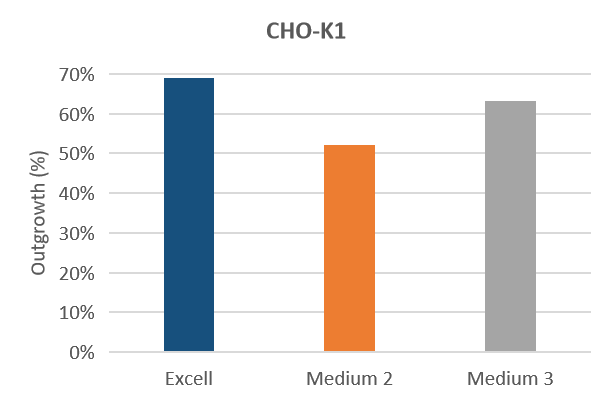
When I think back to my early days in cell culture, I vividly remember the struggles of using media that simply didn’t support growth as expected. The frustration was palpable. Picture this – you’ve done everything right, yet your cells aren’t thriving. This scenario highlights the flaws of sticking to traditional media without exploring innovative options. Flawed solutions can stall progress, especially when it comes to cellular research. It’s a situation begging for a fresh perspective.
What’s Next for Hek293 Cell Media?
Looking forward, the realm of Hek293 cells media is ripe for transformation. As we stand at the intersection of biotechnology and adaptability, it’s clear that tailored media solutions are the future. I firmly believe that customized formulations can vastly enhance cell viability and productivity. When researchers embrace these modern approaches, they can unlock new levels of experimentation and discovery. Flexibility in formulation is key. Some recent trials using enhanced Hek293 cells media have shown up to a 40% increase in cell growth efficiency. That’s not just a number; it could translate into groundbreaking findings. The adaptability of new media not only meets the needs of the research but anticipates them, allowing scientists to focus on the science itself.
Real-world Impact of Innovative Media Solutions
Ultimately, the impact of reliable cell media stretches beyond the lab. When researchers have access to efficient, high-quality Hek293 cells media, they can generate results faster, impacting the development of therapies and pharmaceutical advancements. I recall a project in 2020 where a collaborative team saw a dramatic uptick in results — all thanks to switching media. Such experiences demonstrate the profound connection between innovative solutions and real-world applications; it’s the bridge between science and success.
Moving forward, I suggest three evaluation metrics when considering media solutions: first, assess the growth and adaptability of the cells, second, evaluate performance under various experimental conditions, and lastly, consider cost versus output efficiency. Maintaining these focuses can guide researchers toward optimal media, empowering them to make informed choices.
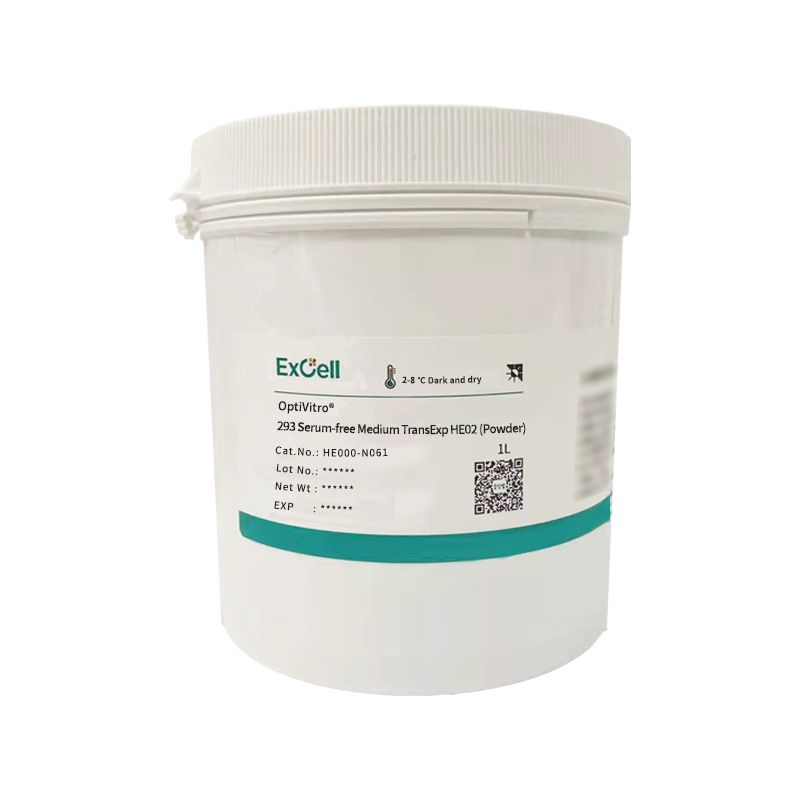
In closing, the world of Hek293 media is anything but stagnant. Growth relies on adaptability, innovation, and a commitment to enhanced outcomes. The transformative journey begins with a simple decision — to choose the right media. As always, your experiments deserve the best support. Explore the possibilities with ExCellBio, and let’s shape the future together.