

Introduction: When Shelf Space Meets Real-World Logistics
A buyer stands in a warehouse aisle, calculator in hand, timing the next launch. On the planogram, square perfume bottles promise neat lines and fewer gaps. When teams compare cartons, they see numbers: up to 15% more units per pallet, and fewer corner dents in transit. If you shop for square perfume glass bottles wholesale, it feels like a straight path—more efficiency, less waste. But the picture is not only about shape. It is also about tolerance, finishing, and packing. In practice, old fixes break down at scale (we all learned this the hard way). Data from two seasonal drops showed a 9% mismatch between cap torque and neck fit, plus a 5–7 day slip from rework. That hurts. So we must ask: where do the hidden gaps sit in today’s sourcing?
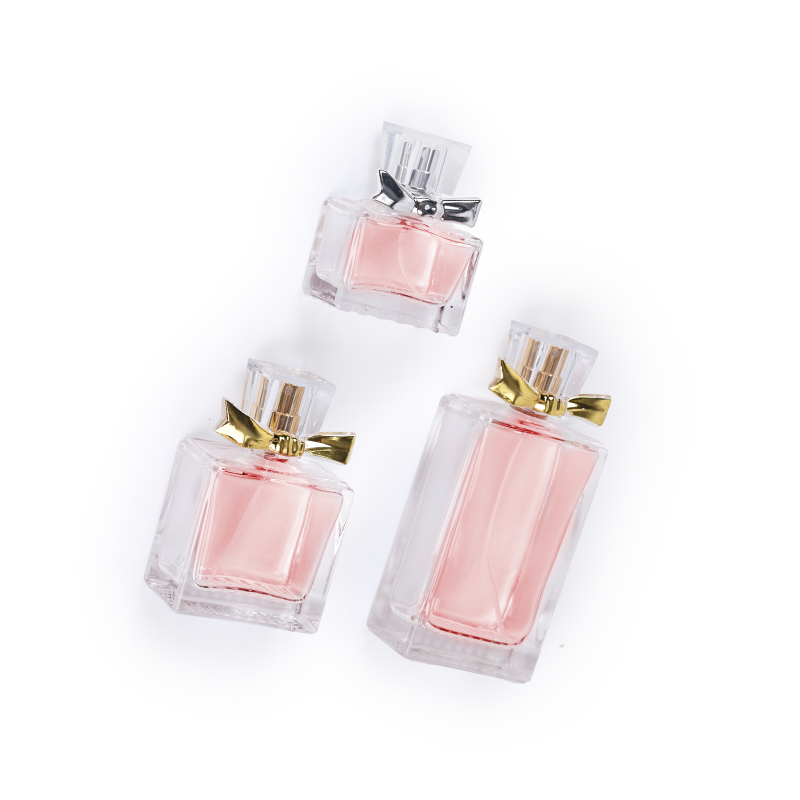
In my view, the answer lives in the details. MOQ pressure can push risky batches. A GPI neck finish that looks “standard” may still drift by ±0.3 mm. Palletization improves in theory, yet corner crush rises if cartons lack ECT strength. All these small things add up. Industry teams call it “last-meter risk,” and it is true. We can simplify, but not oversimplify—funny how that works, right? So, let us step behind the showroom gloss and see the root causes that shape your real cost curve.
Part 2: The Hidden Costs Behind the Pretty Square
Hidden gaps in the “classic” approach?
Technical view first. The square face gives clean stacking, but the failure points live at the neck, shoulder, and base. Many catalogs list a common GPI neck finish, yet mold tolerance and thread profile vary by supplier and cavity. If torque spec for the pump is set on the low side, micro-leaks rise after thermal cycling. In the annealing lehr, poor temperature control can seed internal stress and later cause hairline cracks under crimp pressure. Color drift between batches can also misalign your brand’s Pantone target, especially after UV coating or hot stamping. Look, it’s simpler than you think: one weak link sets the pace for the whole line.
Now the pain points users do not say out loud. First, rework is sneaky. A small neck wobble forces cap shimming, slows fill-line cycle time, and breaks the AQL plan. Second, carton geometry lies. If the inner divider is too tight for a sharp shoulder radius, scuffing rises during vibration. Third, “universal” pumps are not universal; actuator height and dip-tube angle interact with base glass thickness. This is why MOQ looks cheap but becomes heavy once you add scrap. Teams also forget outer-pack stability. Without a proper corner crush spec and pallet wrap pattern, you lose the very cube efficiency you came for. The shape is square, yes. The system is not.
Part 3: Comparative Outlook — Smarter Specs, Fewer Headaches
What’s Next
Let us compare the old way to a forward-looking stack. Old way: pick a nice square silhouette, chase a low unit price, push MOQ, and hope QC catches defects. New way: pair design with measurable controls. A strong square glass perfume bottles manufacturer will lock neck-finish delta at ±0.15 mm across cavities, run inline vision at the heel and thread, and link cavity IDs to a digital lot record. Some lines even use edge computing nodes to flag base-rock and thread ovality in real time. In a recent case, a regional fragrance brand cut leak claims by 42% after adjusting shoulder radius by 0.6 mm and switching to EPE inserts. Same silhouette, different results — funny how that works, right?
Future outlook is practical, not sci‑fi. Expect higher cullet ratio targets to stabilize glass clarity across repeats. Expect barrier coating updates that improve scratch resistance without color shift. Expect pump matching to move from “fit check” to torque-and-seal maps that include crimp load and actuator rebound. In this comparative frame, the winners use process evidence, not brochure words. They treat pallet design like part of the bottle spec. They tune wrap pattern, corner boards, and overhang rules to protect that hard-earned cube utilization. The goal is simple: make the square do more than look tidy; make it carry risk out of the system.
Before you lock POs, use three quick metrics to choose well. One, neck-finish tolerance and cap torque window: target ±0.15 mm with verified torque closure on your chosen pump. Two, quality yield: AQL at or below 1.0% for critical defects and stable cavity-level traceability. Three, logistics performance: pallet cube utilization at or above 88% with zero overhang and tested drop/vibration results. If these three pass, your cost curve stays calm. If not, the hidden costs will return. For steady results and clear documentation, many teams now consult firms like NAVI Packaging.