
Introduction: Setting the Scene for Clear Beams
Here is the crux: visibility is won or lost long before a button is pressed. A sky laser must claim its space in the night, and do so with grace. Picture a damp city evening, low cloud at 600 metres, humidity just under 80%, and ambient light from a stadium two blocks away. In such conditions, raw wattage alone is not your friend. It is the marriage of beam discipline and control logic that counts (and yes, consistency matters). We see operators crank gain, widen scan angles, and hope the air will do the rest—only for glare and scatter to wash the effect.
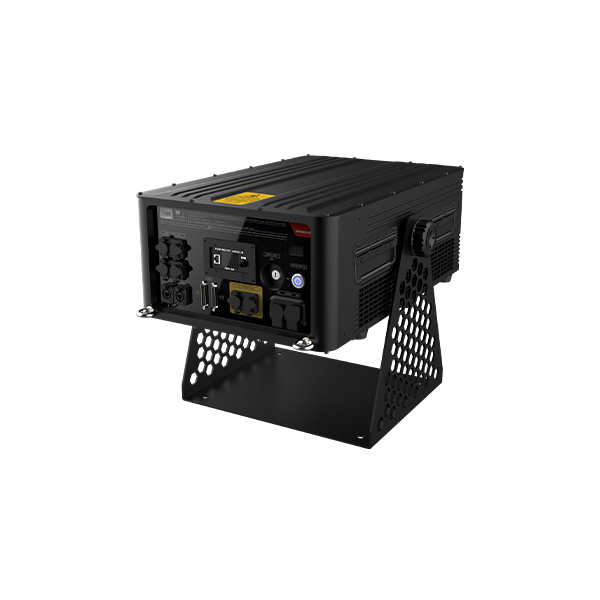
Data tells the same story. A one-degree shift in beam divergence can cut perceived reach by tens of metres. An unbalanced power stage adds flicker under load. When a show must read clean from 200 metres and 2 kilometres alike, the smallest variable scales up. So, what should be optimised first: optics, power converters, or software timing? The answer sits in how the system negotiates air, light, and motion together. Let us weigh those parts against each other—and move from guesswork to grounded choices.
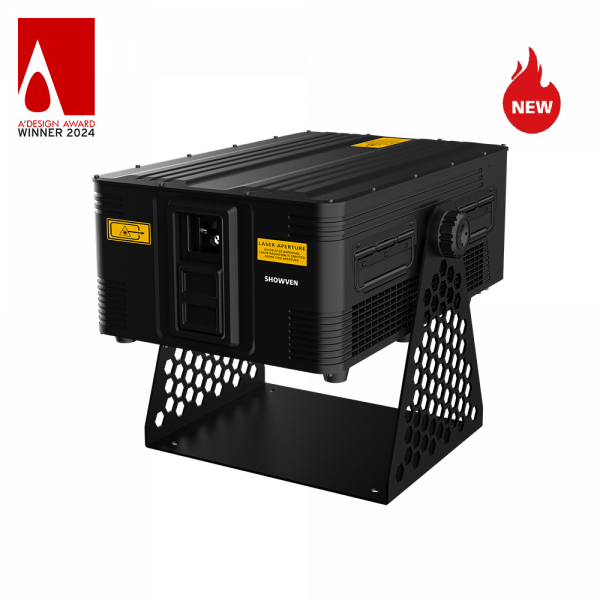
Hidden Frictions Users Miss at First Glance
Where does the real friction begin?
Hidden pain points do not start with brightness; they start with predictability. Many teams assume brighter equals better, yet sky lasers live or die on stability under change. Sudden gusts, voltage dips, or an operator’s late cue will test the whole chain. Galvanometer scanners compensate fast, but they cannot hide jitter from a noisy power rail. Beam divergence, once set, is often left as-is—even when local haze changes minute by minute. Look, it’s simpler than you think: if your control clock drifts by even a few milliseconds, geometric patterns smear, and the audience reads “blur,” not “precision.” IP65 housings keep rain out, yet poor thermal management inside a sealed head can throttle output after ten minutes—funny how that works, right?
Another quiet snag is handover latency across controllers. When DMX and Art-Net fight for priority, timing wobbles. Operators then overcorrect with wider angles to “fill” the sky, which only increases atmospheric scatter. Edge computing nodes near the fixtures can smooth cues, but they need clean profiles and sane limits. If presets push the scan past safe speeds, mirrors heat, and efficiency drops. Meanwhile, crews rarely log microfaults. A short spike on a power converter during a bass hit may not trip protection, yet it leaves micro-banding most people notice but cannot name. The net result: a show that looks loud but reads messy. Precision beats brute force, every time.
Looking Ahead: Smarter Control, Cleaner Skies
What’s Next
New principles favour systems that measure first and drive second. Instead of a fixed map, the engine adapts in real time. A sensor-led loop checks diode temperature, fan RPM, and scan load, then nudges current and angle before artefacts appear. That is the shift: from a projector that “plays cues” to a device that interprets context. Couple this with dynamic beam shaping—minute changes in divergence based on aerosol estimates—and clarity holds without over-powering the air. When an outdoor sky laser light pairs fast I/O with predictive timing, cues land with less jitter, even as the crowd swells and the wind turns. Short frames. Tight sync. Lower stress—on both hardware and crew.
The comparative gains are plain. Old rigs relied on fixed profiles and manual tweaks; modern stacks add model-based control, cleaner power stages, and buffered timing at the edge. You get fewer drops when mains sag, because storage caps and smart drivers bridge the gap—small detail, big effect. Summing up: we learned that stable power and beam discipline beat raw output, that timing is as visual as brightness, and that sealed designs must also breathe internally. If you are choosing a path forward, use three simple checks. First, timing integrity: can the system hold sub-frame drift under load? Second, optical coherence: does beam divergence stay within spec across temperature? Third, sustain under weather: can the head maintain output without throttling after a rain-cooled start? Choose well, test early—and iterate faster than the weather can change. For deeper reference and product context, see Showven Laser.