
Introduction — a question in a misted bay
Have you ever stood under the hum of a production line and wondered who is breathing the air you just moved through? I ask because the fog from every weld is not just steam; it’s tiny metal and plastic riding the air to every nook. automotive manufacturing welding fume extraction shapes workplace health every day, and the numbers make my skin prickle — studies show weld fume exposure can increase respiratory risk by double in some shops. (We see those figures, and we sigh.) So where do we start when the stakes are both human and technical — safety, throughput and cost? Let’s step in and tease that apart.
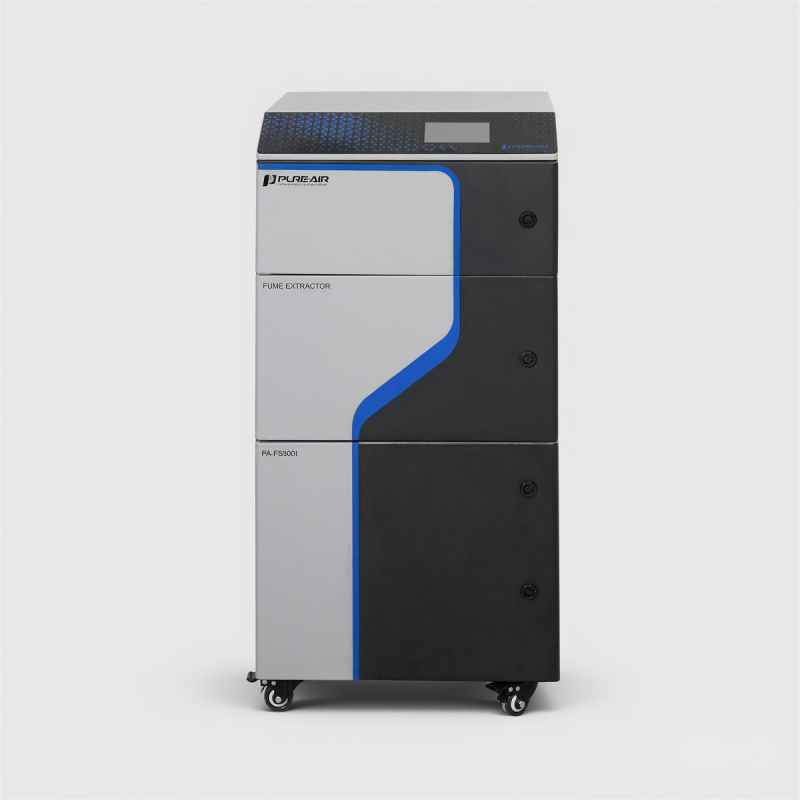
I write this from shop floor visits and late-night spec reviews; I bring data, but I try not to bury you in it. I want to share a clear path, one that honors the craftspeople who weld and the engineers who design their air systems. We’ll move from what typically goes wrong, to what actually helps, and finish with measures you can use to judge systems. Ready? Let’s look closer and keep it practical — no jargon-heavy cloud castles.
Part 2 — Where common extraction systems trip up (and what that really feels like)
I’ll be blunt: many shops rely on solutions that look fine on paper but fail in daily use. Take the typical local exhaust setup — the hood is too far, the capture velocity drops, and the fume just slips past. I often point people to better options like welding shop fume collectors for a reason: they’re built for capture, not guesswork. Yet even collectors can fall short if filtration efficiency is low or maintenance is neglected. Look, it’s simpler than you think: a system that’s hard to service will be neglected — filters clog, flow drops, and exposure rises.
Why do elegant systems fail on the floor?
Because real welding shops throw curveballs. Workers move parts; seams change; robots reposition arms. A rigid hood or a mis-specified blower won’t adapt. Too many designs ignore practical items like filter access, duct routing, or the pressure losses introduced by HEPA filters and bags. Add in power converters that underperform and you have systems that run but don’t capture. I’ve measured capture velocity falling by 30% in weeks when ducts collected slag or when fans were sized without considering fine particulate. That’s why I favor designs that plan for maintenance and human behavior — and why I say: don’t let spec sheets seduce you. Stay close to the shop.
Part 3 — Principles and promise: smarter extraction for the next line
Now, looking ahead — or to compare options — I want to focus on principles. New systems succeed when they combine good capture design, higher filtration efficiency, and intelligent controls. Modern welding shop fume collectors use staged filtration (pre-filter, HEPA, sometimes activated carbon) and offer modular access for quick changes. They also factor in capture velocity at the weld, not just free-field numbers. That small shift in thinking makes a big difference in exposure outcomes — I’ve seen it in third-party air tests. — funny how that works, right?
What’s Next: smarter, simpler, monitored
Edge computing nodes and local sensors now let us monitor differential pressure, filter life, and actual particle counts near the weld. When a system reports a rising pressure drop, you fix it before capture collapses. You can also use variable-speed drives to tune flow and save energy. Those moves cut running cost and keep the hood effective. I’ve helped teams swap rigid hoods for adjustable systems that follow the weld path; the result was cleaner air and fewer production stops. It sounds small, but it changes the rhythm of the shop.
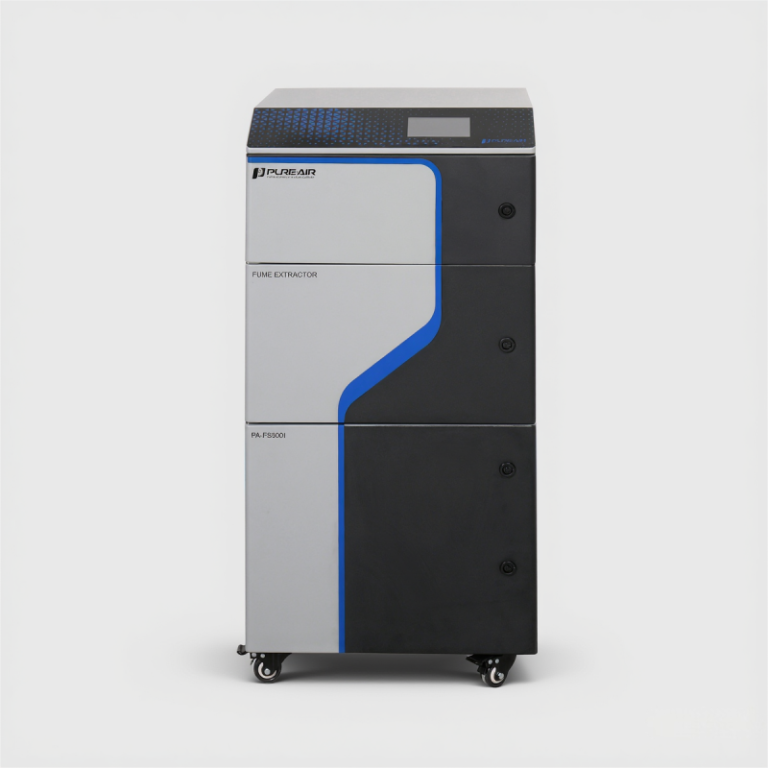
To wrap up, here are three practical metrics I use to evaluate extraction solutions: 1) measured capture velocity at the welding arc under real conditions; 2) system-level filtration efficiency across particle sizes (esp. micron and sub-micron ranges); and 3) maintainability — how long to swap filters and how often inspections are needed. If you score candidates against those points, you get closer to a system that lasts. I believe in pragmatic choices, tested on the floor, and I stand by the work of partners who build for that reality — PURE-AIR.