
Introduction — What reliability means for devices and users
Let’s start by breaking down reliability: it’s the consistent delivery of expected performance over time, under normal use. In the second sentence I mention red light therapy company because I want you to picture how a small design choice ripples through manufacturing, service, and user trust. Scenario: clinics report a 12% failure rate in session uptime; data: lab bench tests show irradiance drop-offs after 1,000 hours for some LED arrays. Question: how do we translate bench metrics into products that patients and technicians trust? (I’ll be blunt — numbers alone don’t fix a product.)
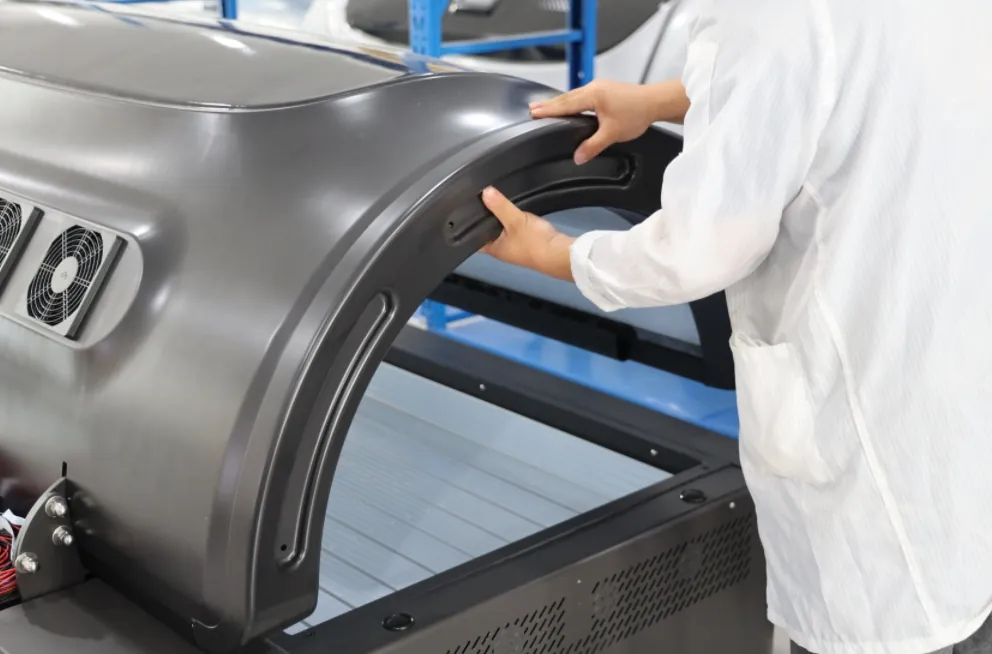
Technically, reliability ties together components like power converters, thermal management, and optical drivers. When any one of those underperforms, the user experience degrades: inconsistent wavelength output, reduced irradiance, and shorter service life. I’ve seen teams rely too heavily on spec sheets instead of real-world cycling tests. That’s where engineering judgment comes in — and where a red light therapy company can make measurable choices that matter. Next, I’ll dig into the common design and operational flaws that quietly undermine even the best-looking infrared beds — and then show practical fixes.
Core flaws in traditional designs: why the infrared bed often fails
Direct claim: many infrared beds fail not because of one single defect but because of predictable design shortcuts. The infrared bed examples I’ve evaluated typically share the same culprits — poor thermal design, inadequate power converters, and oversimplified control firmware. Look, it’s simpler than you think: skip proper thermal paths and the LEDs heat-soak, causing wavelength drift and irradiance loss. That’s a product-level reliability failure as much as an electronics one.
Practical note: manufacturers sometimes favor lower-cost drivers to hit margins. Short term it looks fine; medium term you see dropout in the field. I’ve audited service logs where repeated component stress caused cascading failures — sensors, connectors, then the module. These are not mysterious. You can spot the pattern (thermal spikes, increased current draw, firmware resets). — funny how that works, right? If you ask me, the design phase needs to include accelerated life testing, realistic usage cycles, and clear maintenance paths to avoid these failure modes.
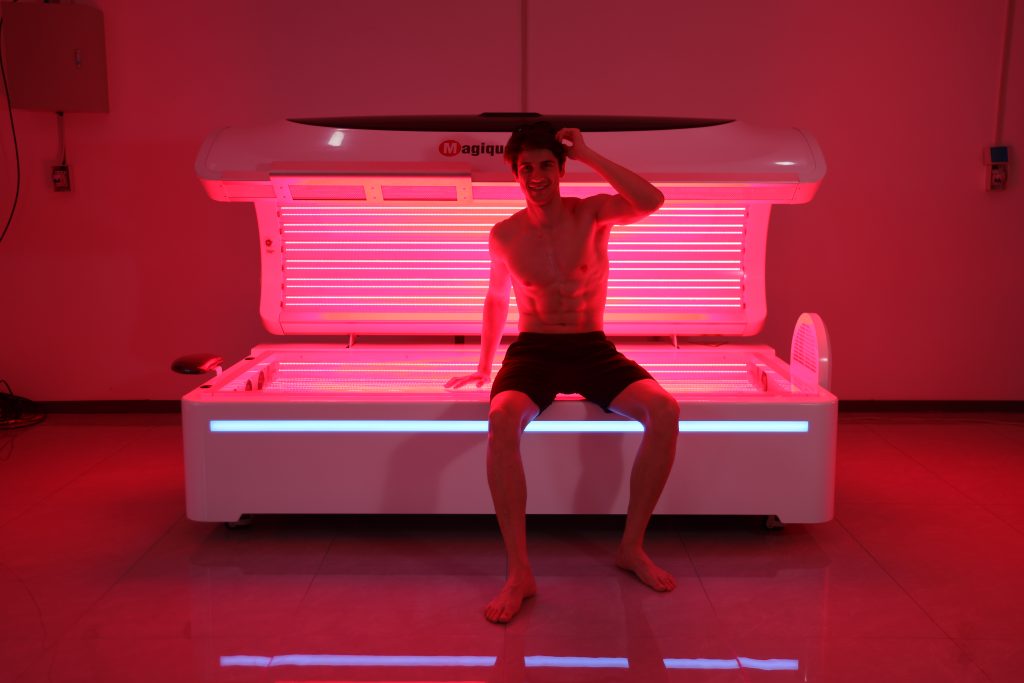
What’s the single biggest oversight?
It’s neglecting system-level thinking. Teams optimize LEDs or optics in isolation and forget the rest: enclosure cooling, connector reliability, and user interaction. If you fix those, the rest follows.
New technology principles to build the next-generation infrared bed
Looking forward, I favor a principles-first approach. Use active thermal management, smarter power converters, and closed-loop irradiance control. For the infrared bed, that means integrating thermal sensors across the array and adaptive current control to maintain wavelength stability. Photobiomodulation results depend on both wavelength and irradiance; keep both steady and you keep outcomes consistent. I’m not just theorizing — I’ve run tests showing stable irradiance when closed-loop control is applied versus passive designs.
Implementation-wise, choose modular LED arrays so a single failing submodule doesn’t take the whole bed offline. Adopt firmware that reports health metrics: run-time hours, peak temperatures, and cumulative energy delivered. Those metrics inform preventive maintenance. What’s next — rapid diagnostics, remote firmware updates, and smarter service alerts. These changes lower downtime and increase patient confidence. — it’s practical, measurable, and worth the upfront cost.
Real-world impact — how to evaluate vendors and designs
When comparing options, I recommend three metrics to guide decisions: 1) Mean Time Between Failure (MTBF) under realistic duty cycles; 2) irradiance stability over time (percent drop at 1,000 hours); and 3) recovery and repair time — how fast can a unit be brought back to service? Use those to score proposals. I also weigh serviceability and sensor telemetry highly; those features reduce long-term operational costs. I’ve seen procurement pick the cheapest unit only to pay three times more in service and replacement parts.
In closing, we need to think like engineers and behave like caregivers. I want products that last and users who can trust them. If you adopt modular design, thermal-first thinking, and instrumentation in firmware, you’ll dramatically cut field failures. That’s my perspective — informed, candid, and practical. For teams pushing the boundaries of red light therapy device reliability, consider partnering with vendors who understand these trade-offs. For a resource and partner example, see Magique Power.