
Introduction
I was at a factory tour last winter when a line manager shrugged and said, “We chase uptime like it’s a sport.” That moment stuck with me because I’ve seen the same scene in dozens of facilities — hurried fixes, inked shift notes, and last‑minute overtime. In many marketing materials, wet wipes production line promotions promise fast returns and seamless integration, but real operations tell a different story. (I’ll be blunt: there’s often a gap between the glossy brochure and the greasy floor.)
Here’s a quick data point to frame the problem: small inefficiencies of 2–3% per hour add up to weeks of lost output annually on a medium-sized line. So I ask: how do you sort genuine productivity gains from clever-sounding hype? That’s the question I want to tackle — step by step — and I’ll share what I’ve learned on the floor and at the drawing board. Let’s move from the anecdote into the nuts and bolts of where things actually fail, and why some promotions miss the mark.
Where Traditional Solutions Fall Short
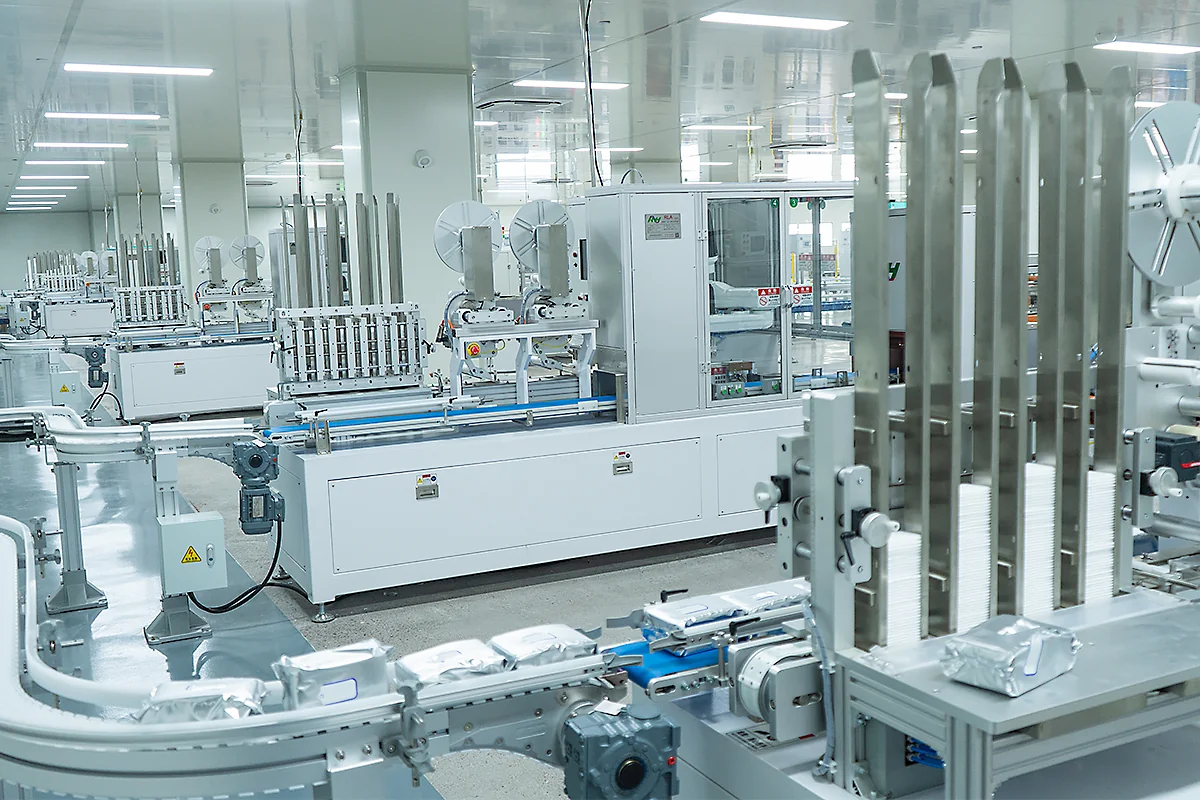
supply wet wipe production line vendors often pitch turnkey systems as the cure-all. I’ve sat through those demos — they’re slick, sure — but many ignore recurring pain points that operators face every shift. First, control mismatches: older PLCs talk in one language while newer SCADA overlays expect another. That friction forces manual bridging, which looks fine on paper but costs minutes per changeover. Second, mechanical bottlenecks like roll slitting setups and inconsistent tension control create scrap and downtime. Add poor integration with MES and you get schedule drift. Look, it’s simpler than you think: if the hardware, control layer, and shop‑floor software aren’t aligned, the line won’t hit advertised yields — not reliably anyway.
What exactly goes wrong?
I want to be specific because vague critiques aren’t useful. Servo motors are often under‑specified, causing speed ripple during acceleration. Sterilization tunnels, if not matched to consumption rate, become holding points that force manual buffering. And yes — edge computing nodes and power converters are rarely part of initial ROI math, yet they determine whether real‑time corrections are possible. Operators then improvise workarounds (paper tags, sticky notes) — temporary fixes that harden into permanent inefficiency. I’ve seen teams spend months chasing a 1% gain, when a one‑time control upgrade would have delivered 4–5% better throughput. — funny how that works, right?
New Technology Principles and a Forward Look
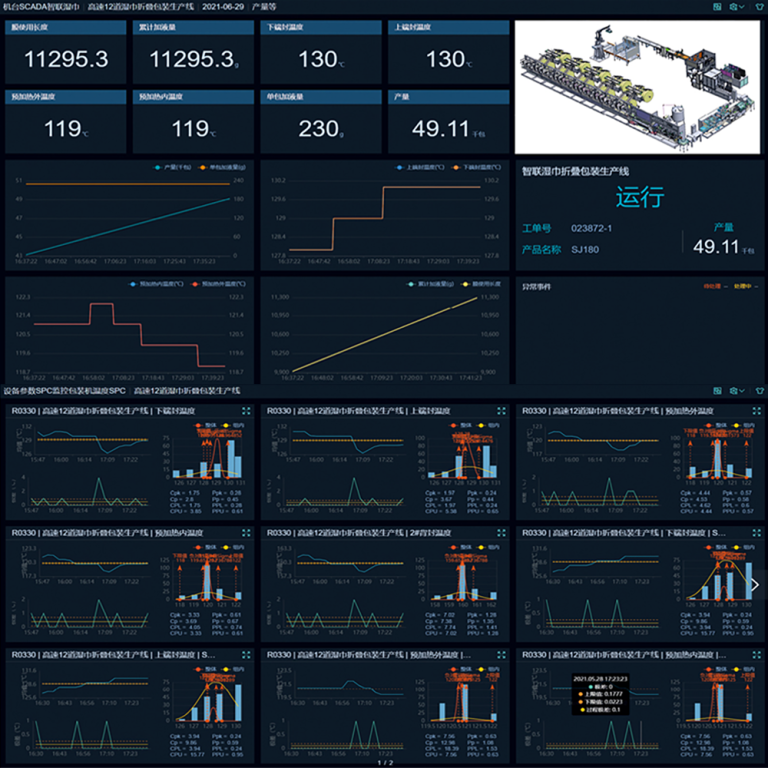
Now, let’s look forward: I favour a principles-based approach to upgrades rather than chasing feature lists. When we evaluate upgrades to a supply wet wipe production line, I ask three core questions: does this improve feedback speed, does it reduce manual touchpoints, and does it preserve product quality during higher throughput? If the answer to any of those is no, I’m skeptical. Modern designs lean on tighter PLC–SCADA–MES coupling, predictive maintenance triggers (vibration sensors, temperature profiling), and smarter actuation — think better servo tuning and automated roll slitting adjustments. These principles cut one‑off firefighting and make gains sustainable.
What’s Next?
Looking at case examples, when a mid‑sized plant adopted edge computing nodes and standardized its control stack, mean time between failures rose and changeover time dropped by nearly 30%. That wasn’t magic; it was consistent telemetry, faster root cause analysis, and fewer ad hoc operator fixes. We shouldn’t expect every plant to retrofit overnight. But planning upgrades around these principles makes promotions realistic rather than aspirational — and yes, it takes investment and honest measurement. I recommend budgeting for integration work first; the hardware is often the smaller bill. — I mean it. I’ve been on the receiving end of budgets that skipped integration and learned the hard way.
Practical Takeaways — How I’d Evaluate a Promotion
I’ll close with three focused metrics I use when assessing wet wipes production line offers. First: integration readiness — ask for a clear plan showing PLC, SCADA, and MES interfaces and demo live data flow. Second: measurable changeover time reduction — demand before/after evidence under real shift conditions. Third: maintainability score — who will service servo motors, replace sensors, or update edge nodes; what spare parts strategy do they propose? These aren’t vanity metrics. They drive predictable results and honest ROI.
To wrap up: I’m cautious but optimistic. Promotions that marry mechanical reliability with clean control architecture and real‑time data deliver repeatable wins. I’ve seen it work, and I’m convinced a pragmatic, metrics‑driven approach is the fastest path to real gains. If you want a vendor that understands both the floor and the cloud, consider checking their track record and technical plans carefully — and yes, ask for references who run the line, not just the sales script. For more resources and system examples, I often point people to implementations by ZLINK.