
Introduction — a shop-floor taste test
I once stood at a bench where a machinist treated a metal bar like a roast. He seasoned it with coolant, seared edges with a short burst of high spindle speed, and smiled when the part came out right. In that same shop, a double spindle CNC machine handled two sides of a part in one cycle, cutting cycle time by nearly half (I noted the stopwatch myself). Data from small shops I visit shows throughput gains of 30–60% when operators adopt twin-spindle setups. So—why do some shops still cling to single-spindle lines when the math looks so clear?
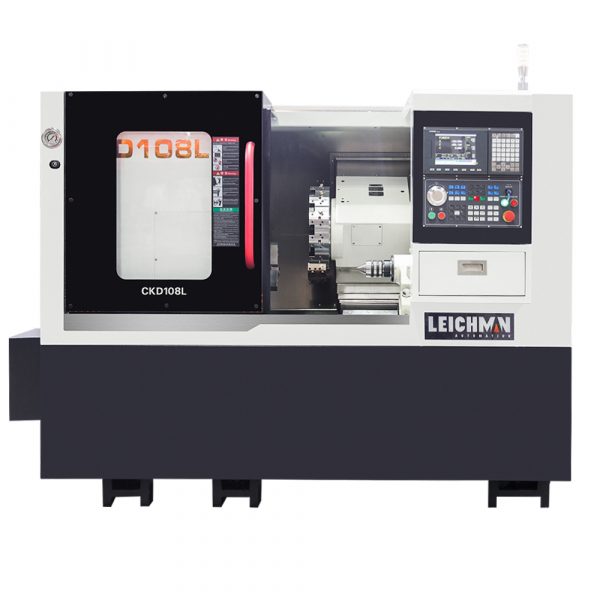
Think of the workflow like a kitchen brigade. Tool turret swaps are mise en place. Feed rate and axis control are your timing and seasoning. We crave predictability and speed. Yet adoption stalls. Is it cost, fear, or just habit? I’ll walk you through what I’ve seen, what fails, and what might change the menu.
Next, let’s slice into the common fixes that don’t quite cut it — and why cooks (and machinists) get frustrated.
Part 2 — Why many traditional solutions fall short
double spindle machine setups promise parallel work, but old retrofit approaches often miss the point. Shops bolt on a second spindle without upgrading axis control or the CNC logic. The result: timing mismatches, idle torque in the servo motor, and more rejected parts. I’ve seen it. The quoted cycle time looks great on paper. In practice, tool turret sequencing and spindle synchronization create clashes. Cutting force spikes. Scrap happens. Look, it’s simpler than you think — you must design for coordination, not duplication.
What specifically breaks?
First, spindle speed mismatch. If both spindles aren’t matched to job phases, one waits while the other finishes. Second, control bandwidth. Older controllers choke under parallel motion commands. Third, fixturing and workholding: you need symmetric clamps or you get chatter. These are not abstract. They are daily headaches: misfeeds, extra setup time, and unhappy operators. I feel this frustration; I’ve fixed it by insisting on synchronous motion profiles and upgrading key components like power converters and the control board. — funny how that works, right?
Part 3 — Future outlook: what successful shops are doing
Shops that win move beyond retrofits to purpose-built integration. They treat the line like a recipe and redesign it. I’ve watched teams adopt edge computing nodes to handle local toolpath decisions. They pair that with live tooling and refined servo tuning to balance load between spindles. When done right, a double spindle cnc turning machine becomes a reliable, high-throughput station rather than a temperamental twin.
What’s next?
Expect tighter sensor feedback and smarter PLC/CNC integration. Vendors are pushing quieter power converters and better thermal control to keep spindle bearings happy. We’ll also see more modular fixtures that let shops swap jobs fast. The benefit? Less setup, more run time, and lower per-part cost. I’m optimistic. I’ve watched cautious managers become converts once they see consistent yields and fewer overnight rebuilds.
To help you choose, here are three practical metrics I use when evaluating twin-spindle options:
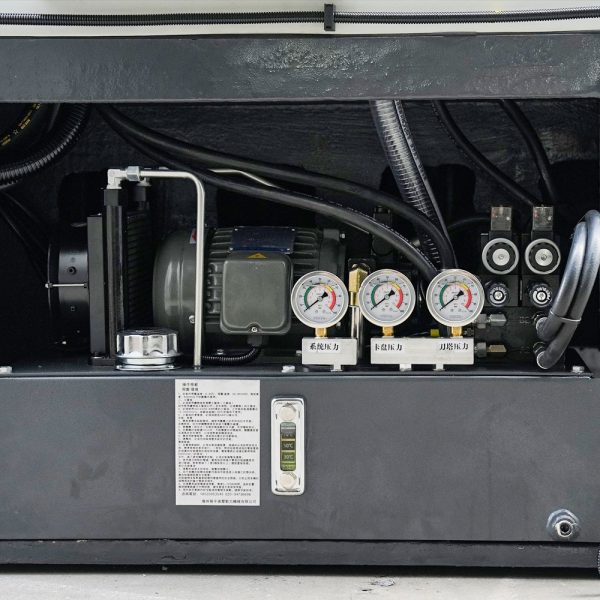
1) Effective cycle time reduction — measure full-process time with realistic setups, not just milling time. 2) Synchronous motion reliability — watch for missed steps over a 24-hour run. 3) Ease of fixturing changeover — time to swap fixtures should be short and repeatable. Use those metrics. They’ll tell you more than a spec sheet.
In the end, I judge machines by how they make the shop feel: less frantic, more in control. If that sounds like the goal, check what Leichman is putting on the bench. I do.