
A Stairwell Moment That Says A Lot
You walk up the stairs after a long day, and the light above looks grand but feels harsh. The second step is a bit dim, the fifth step a glare spot. A chandelier supply company may call it “classic,” but you still squint every night—strange, ha? Data shows lighting can take 10–15% of home energy, and about half of comfort complaints come from glare or poor spread. So why do many chandeliers still miss everyday needs when the space is small, tall, or both?
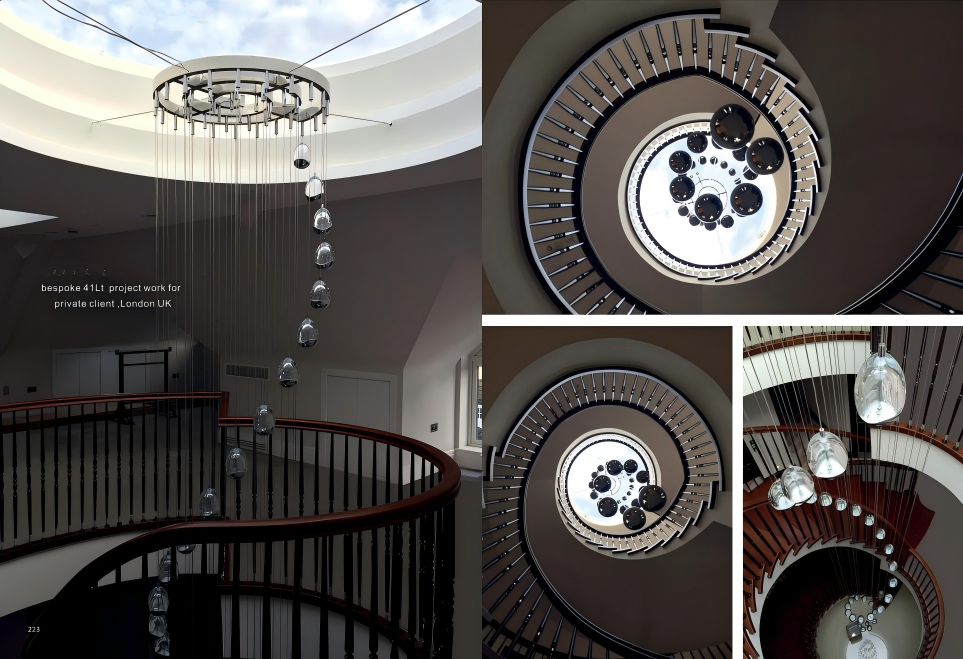
Here is a simple question: is the old glass-and-bulb combo the limit, or just a habit? We can measure light by lumen output and CRI, yet daily use tells a richer story. People want comfort, not just sparkle. They need safe steps, easy care, and lower bills. (And yes, rainy-season dust is real.) The gap is not only style. It is the system: drivers, optics, thermal management, all working—or not. Let’s move from feeling stuck to seeing options, then compare with a clear head.
Next, we break down where the pain starts, and why a new build makes the climb safer and calmer.
What Traditional Fixtures Keep Getting Wrong
Why do old fixtures miss the mark?
Many owners switch to a led acrylic chandelier after a short, tough run with classic frames. The issues are not only weight and cleaning. Old bulb clusters push light in hot spots. That makes glare on stairs and shadows on landings—funny how that works, right? The diffuser is thin or not there, so the beam is uneven. Then comes the driver: when it is mismatched to the load, you get flicker at low dim levels and a buzz you can feel. Add heat near the ceiling, and thermal management fails. Bulbs darken, lumen output drops. CRI can also swing, so colors look dull. Look, it’s simpler than you think: bad optics plus weak power control equals discomfort.
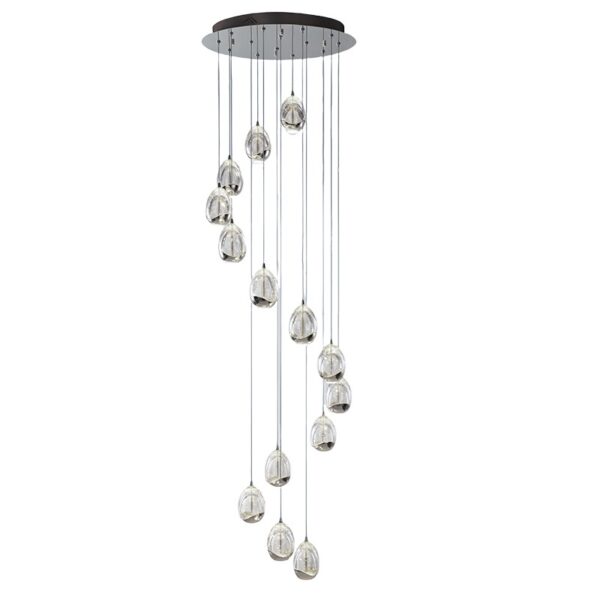
Service is the next pain. Tall foyers need lifts. Changing a lamp or a cracked shade costs time and risk. Heavy crystal arrays stress anchors over years. Power converters that are not rated for the total draw can trip breakers with every holiday scene change. In humid zones, metal arms corrode, and contacts pit. When dimmers use old phase-cut, you see PWM dimming artifacts in phone videos—annoying in homes and public halls. This is not just a style flaw. It is a system flaw: optics, driver, and structure must match the space, or the user pays in maintenance, safety, and mood.
Comparing What’s Coming Next
What’s Next
New builds flip the stack. Instead of bulbs plus shade, think integrated light engines behind formed acrylic with a tuned optical diffuser. The principle is direct: spread light evenly before it leaves the body. A good engine keeps CRI at 90+, manages heat with internal fins, and uses a stable driver with wide dimming range. That steadies lumen output and trims flicker. Pair that with sealed joints for better IP rating, and the result survives dust and humidity near stairs. For tall shafts, modular tiers let you lift one segment at a time—less drama, more control. When you choose chandelier lights for staircase, compare how each model shapes the beam: narrow at the core, soft fall-off at edges, no glare cones. The change feels small on paper—huge in daily life.
Real sites tell the story. In a 7-meter foyer, an acrylic stack with a constant-current driver cut energy by about a third and slashed service calls in year one. No burnt sockets, no yellowing shades. The steps read clean, faces look natural, and night photos stop banding. Costs shift from repeated fixes to a one-time spec choice—funny how that lines up with calm living. To decide well, track three checks: 1) Optical quality: uniformity ratio and glare control. 2) Electrical stability: driver spec, flicker percent, and dimmer match. 3) Build and service: weight per tier, access method, and rated life. With these, the compare is fair, and the result is yours—practical, safe, and kind to the eye. For a grounded reference point, see kinglong.