
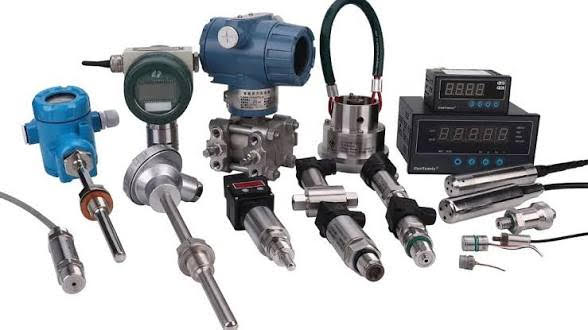
Understanding the Landscape of Hammer Union Pressure Sensors
Have you ever found yourself struggling with sensor inaccuracies in high-pressure environments? I remember a time on a drilling site where equipment malfunctions were constant due to improper pressure readings. A survey of the industry revealed that nearly 40% of these issues stemmed from outdated technology—specifically, sensors lacking in reliability. Enter the hammer union pressure sensor, designed to withstand extreme conditions and provide accurate results where it matters most.
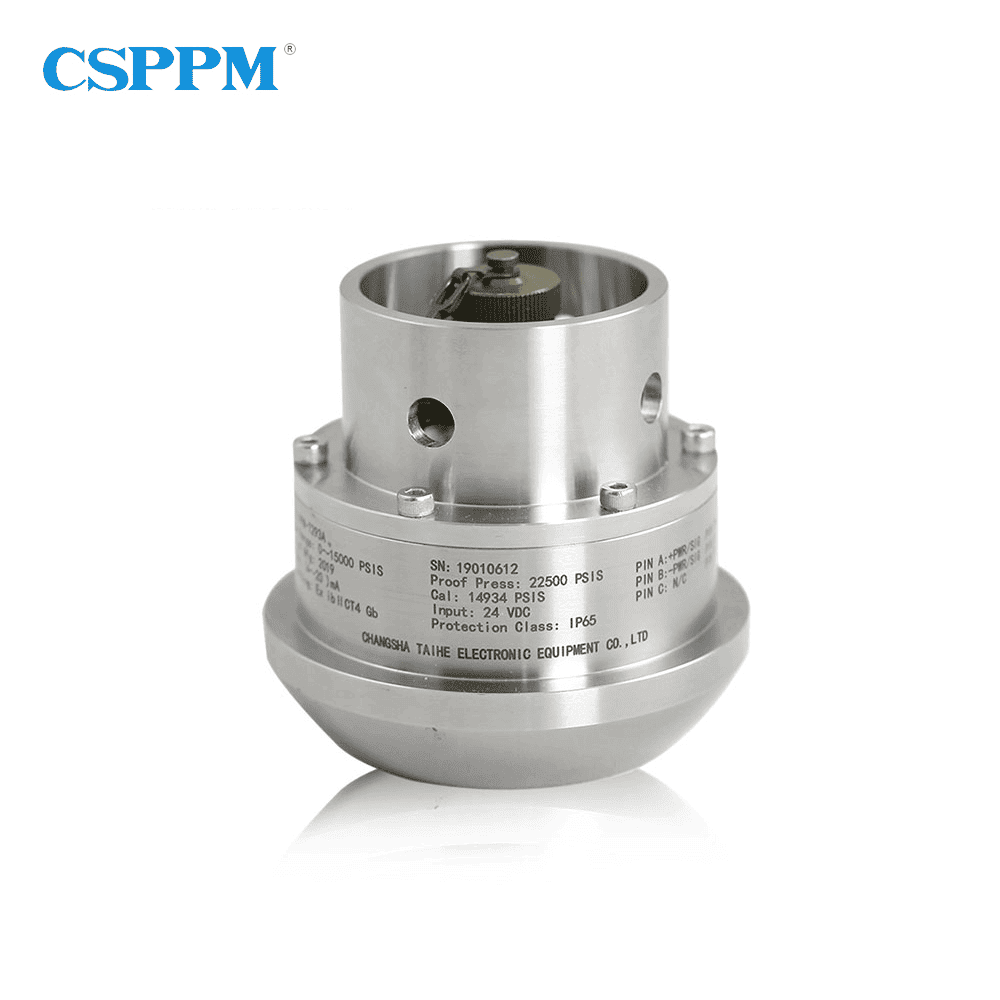
One essential aspect of the hammer union pressure sensor is the corrosion resistant pressure transducer. These sensors not only combat wear and tear from corrosive environments but also enhance the efficiency of overall operations. Reliability in pressure monitoring can lead to reduced downtime—a goal any operation manager surely aspires to achieve!
Why Traditional Solutions Fall Short
Despite advancements, many traditional pressure sensors still face significant shortcomings. For example, low-quality materials may lead to premature failure or inaccurate readings. I often advise clients to rethink their approaches; investing in state-of-the-art technology is not just wise but vital. Think about it: wouldn’t you rather spend a little more upfront for reliability than face costly breakdowns later on?
Challenging the Norms
As we look to the future, the conversation around hammer union pressure sensors is evolving rapidly. The enhanced durability and accuracy of a corrosion resistant pressure transducer have transformed expectations within the industry. These sensors can withstand extreme pressure and temperature changes, ultimately providing peace of mind. Why settle for mediocrity when cutting-edge options are available?
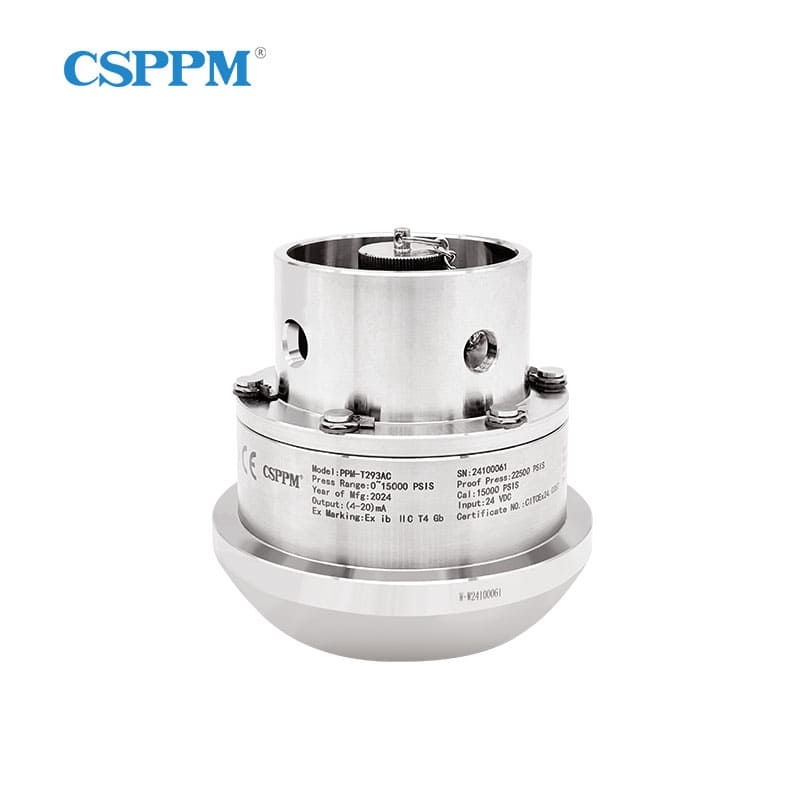
Many of my clients have shared success stories after switching to more robust, modern sensors. For instance, a recent upgrade at a site in Texas reduced equipment failures by over 25% within just three months! It’s pretty mind-blowing, right? When it comes to drilling and production, every second counts.
Real-world Impact
Switching gears to the real-world implications of these advancements, operations are not merely about maintaining efficiency. The accuracy of a hammer union pressure sensor directly contributes to safety, which is paramount in high-stakes environments like drilling. Using advanced sensors means not only reliable output but the potential for enhancing team safety. Isn’t that what we all strive for?
Final Thoughts and Key Takeaways
In summary, the integration of reliable hammer union pressure sensors, especially the corrosion resistant pressure transducer, can dramatically improve operational efficiencies as well as safety. Devices that adapt to extreme conditions empower teams to perform better, with far fewer risks involved. By focusing on quality and performance, businesses can not only mitigate losses but create a culture of excellence and safety.
As I wrap this up, remember that investing in high-caliber pressure sensors like those from CSSPM Sensor is not just smart—it’s the future of the industry. Stay sharp, stay informed, and always be ready to upgrade!